
We know medical cannabis can feel confusing at first, especially if you are trying to understand the law, eligibility, prescriptions, driving, work, costs, and what treatment may involve.
This page answers the most common questions people ask before becoming a Medical Leaf patient. It is designed to give clear, practical information in plain English.
Medical cannabis is a prescription-only treatment in the UK. Whether it is suitable for you depends on your medical history, current symptoms, previous treatments, and a clinical assessment with a specialist doctor.

Medical cannabis is a prescribed treatment made from cannabis-based medicines. It may be considered when someone has an ongoing health condition and standard treatments have not provided enough relief, or have caused side effects that are difficult to manage.
It is not the same as buying cannabis illegally or using unregulated CBD products. Medical cannabis is prescribed by a specialist doctor and should only be used as directed
Yes. Medical cannabis can be legally prescribed in the UK by a specialist doctor when it is clinically appropriate. It has been available on prescription since changes to UK law in 2018.
You should always keep your medication in its original packaging and carry proof of your prescription when you are away from home.
Eligibility depends on your condition, symptoms, medical history, and previous treatments. In many cases, patients need to have tried other suitable treatments first.
The best way to find out is to complete an eligibility check and have your case reviewed by a clinician.
Medical cannabis may be considered for a range of conditions, including chronic pain, neurological conditions, anxiety-related symptoms, sleep problems, and some women’s health conditions.
Suitability is always assessed individually. Having a condition does not automatically mean medical cannabis will be prescribed.
Some patients with chronic pain explore medical cannabis when other treatments have not worked well enough. A specialist doctor will look at the type of pain, how long you have had it, previous treatments, and your overall health before deciding whether it may be suitable.
Medical cannabis may be considered in some epilepsy cases, but this is a specialist area and not every patient will be suitable. If you have epilepsy, your medical history, current medication, seizure pattern, and specialist input are especially important.
Some people with endometriosis look into medical cannabis for pain, sleep, and quality-of-life symptoms. A clinician would need to assess your history, symptoms, and previous treatments before advising whether it may be appropriate.
Yes. Medical cannabis has been legal in the UK since November 2018, when specialist doctors were legally allowed to prescribe cannabis-based medicinal products (CBMPs).
However, recreational cannabis remains illegal. The only legal way to possess and use cannabis in the UK is with a valid prescription from a registered specialist clinician.
Patients with a prescription can legally possess, carry, and use their medication as directed by their doctor.
In many cases, yes, but there are important rules.
If you have been legally prescribed medical cannabis and:
Then you may legally drive in the UK under what is known as a “medical defence”.
That said, you should never drive if you feel impaired, drowsy, or unable to drive safely. Certain cannabis products, especially those containing THC, may affect reaction times in some patients.
It’s always best to:
Employers cannot automatically discriminate against patients who have been legally prescribed medical cannabis.
However, workplaces still have health and safety obligations, especially in safety-critical industries such as:
If you are prescribed medical cannabis, it’s often sensible to speak with HR or occupational health where appropriate.
Each employer will have its own policies, but a legal prescription is very different from recreational cannabis use.
Medical cannabis is usually prescribed through specialist clinics.
The process generally includes:
Medical cannabis is typically considered when conventional treatments have not worked effectively or have caused unwanted side effects.
Conditions commonly treated include:
Like all medications, medical cannabis can cause side effects in some patients.
Common side effects may include:
Most side effects are temporary and often improve as your body adjusts to treatment.
Your prescribing clinician will help monitor your dosage and recommend the most suitable products for your condition.
If you have a legally prescribed medical cannabis, you are allowed to possess it.
If questioned by police, you should be able to provide:
It’s recommended that medication remains in its original packaging with the prescription label clearly visible.
Although awareness around medical cannabis is improving, not all officers may immediately recognise prescription rights, so carrying documentation is important.
Most UK clinics do not recommend smoking medical cannabis.
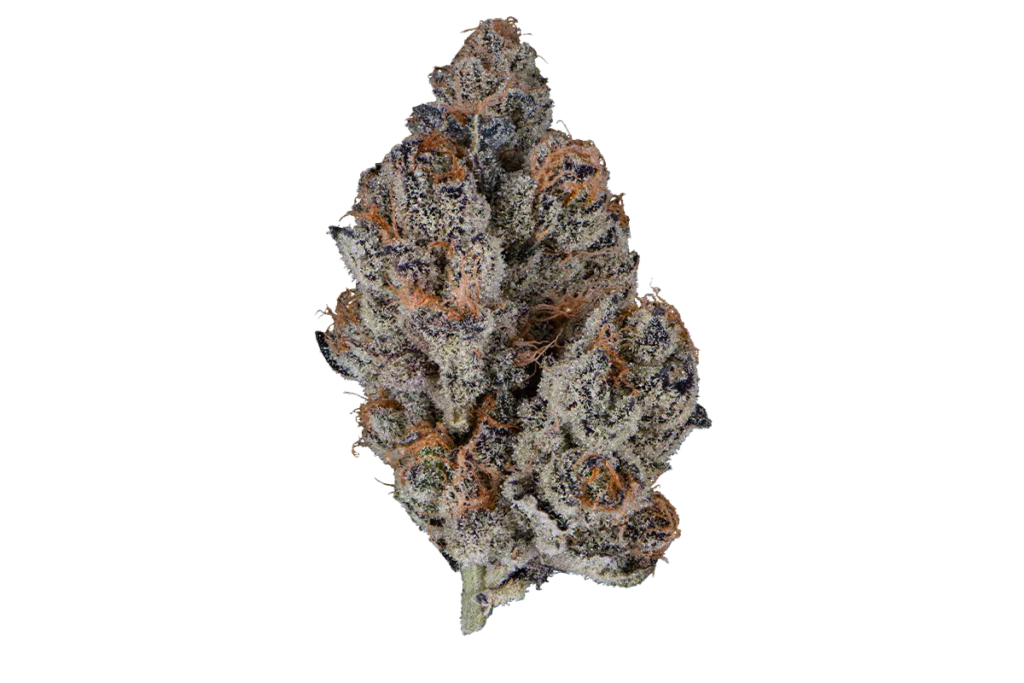
Instead, prescribed cannabis flower is typically intended for use with a dry herb vaporiser.
Vaping is generally preferred because:
Some patients may also be prescribed oils, capsules, or other cannabis-based products depending on their treatment plan.
After your prescription is approved, medication is usually dispensed through a licensed pharmacy and delivered directly to your home.
Delivery times can vary, but many pharmacies aim to dispatch prescriptions quickly once payment has been processed.
Medication is typically delivered securely and discreetly.
The process usually starts with an eligibility check. If you may be suitable, you will be asked for medical information, such as your summary care record or evidence of previous treatments.
You will then have a consultation with a specialist doctor, who will discuss your symptoms, medical history, treatment goals, and whether medical cannabis is appropriate.
No. A prescription is only issued if the clinician believes it is safe, suitable, and clinically appropriate for you.
If medical cannabis is not suitable, the clinician should explain why.
If prescribed, your medication will usually be dispensed by a pharmacy and delivered to you. You should follow the dosage instructions carefully and attend follow-up appointments, so your treatment can be reviewed.
You must not drive if you feel impaired. This applies to medical cannabis and any other medicine that may affect your ability to drive safely.
If you are prescribed medical cannabis, speak to your clinician about driving, dosage timing, side effects, and what evidence you should carry. GOV.UK advises people taking prescription medicines to speak to a doctor, pharmacist, or healthcare professional if they are unsure whether they should drive.
You should usually carry your medication in its original packaging, along with a copy of your prescription or clinic letter.
If you are travelling abroad, check the rules of the country you are visiting before you travel. Some countries have strict rules around controlled drugs, even when prescribed.
Medical cannabis may be available to patients who have a diagnosed condition and have usually tried at least two conventional treatments without sufficient success.
Eligibility is assessed by a specialist clinician based on your medical history and symptoms.
Medical cannabis is commonly prescribed for conditions such as:
Eligibility depends on your medical history and clinician assessment.
No. CBD products sold on the high street are different from prescribed medical cannabis.
Prescribed cannabis may contain:
Medical cannabis products are regulated and prescribed specifically for therapeutic purposes.
Not necessarily.
Some medical cannabis products contain THC, which may cause psychoactive effects in some patients. Others are CBD-dominant and are not intoxicating.
Your clinician will prescribe products based on your medical needs and tolerance.
If you have a valid prescription, you are legally entitled to carry and use your medication.
However, using medical cannabis in public may still attract attention or questions due to limited public awareness.
Patients are encouraged to:
This depends on the product type.
Cannabis Flower (Vaporised)
Effects may begin within minutes.
Oils and Edibles
Effects can take 30 minutes to 2 hours.
Your clinician will explain expected onset times and dosing guidance.
NHS access remains very limited in the UK.
Most patients currently access medical cannabis through private clinics.
NHS prescriptions are typically restricted to a small number of specialist cases, such as certain forms of epilepsy
Medical cannabis is prescribed under clinical supervision and monitored carefully.
While some cannabis products containing THC can carry dependency risks, clinicians manage dosage carefully to minimise problems.
Patients should always follow prescribing guidance.
CBD laws vary widely between countries.
Even THC-free products may be restricted in some locations.
Always:
carry supporting documentation

THC
CBD
Many prescriptions contain balanced ratios of both cannabinoids.
Rules vary depending on the property or venue.
Even with a prescription:
Always check local policies before use.
Most clinics require periodic follow-up reviews to:
Frequency varies depending on the clinic and treatment plan.
Products may include:
Your prescription depends on your condition, symptoms, and the clinician’s recommendation.
Yes. Prescriptions may be stopped if:
Regular reviews help ensure treatment remains safe and appropriate.
In most cases, private medical cannabis treatment is self-funded in the UK.
Some insurance providers may cover parts of consultations, but this varies significantly.
When comparing clinics, consider:
Choosing a reputable, regulated clinic is important for safe treatment.
Many veterans seek medical cannabis treatment for:
Eligibility is assessed individually by specialist clinicians.
Cannabis is a plant-based medicine, but prescribed medical cannabis products are grown, tested, and regulated to pharmaceutical standards.
This ensures:
No. Growing cannabis at home remains illegal in the UK, even with a prescription.
Patients must obtain medication through licensed pharmacies.
Most clinics will ask for:
Providing accurate medical information helps clinicians assess eligibility more effectively.
Medical cannabis can affect people differently depending on:
Some patients report improved anxiety and sleep, while others may experience temporary side effects such as increased anxiety or paranoia, particularly with high-THC products.
Your clinician will carefully assess whether treatment is appropriate for you.
Timeframes vary between clinics, but many patients can complete the process within a few days to a couple of weeks.
This usually depends on:
Once approved, medication is typically dispatched by a licensed pharmacy.
Some patients use medical cannabis alongside existing treatments, while others may reduce or stop certain medications over time under medical supervision.
You should never stop prescribed medication without speaking to your doctor or clinician first.
Medical cannabis is prescribed under ongoing clinical supervision, and many patients use it long term.
Regular follow-up appointments help monitor:
Your clinician will review whether continued treatment remains appropriate.
Medical cannabis prescriptions require ongoing renewals.
Most clinics arrange repeat prescriptions following follow-up reviews or prescription requests.
It’s important to request renewals in advance to avoid interruptions to treatment.
Combining alcohol with medical cannabis may increase side effects such as:
Patients are generally advised to use caution and discuss alcohol consumption with their clinician, particularly when starting treatment or adjusting dosage.
No, most private medical cannabis clinics in the UK allow patients to apply directly without needing a GP referral.
You can usually book an assessment yourself through the clinic.
However, clinics will normally need access to your medical records or a summary of your treatment history before a prescription can be approved. This helps clinicians assess your eligibility and ensure medical cannabis is appropriate for your condition.

Medical cannabis can feel confusing at first, especially with changing laws and growing awareness in the UK.
If you’re considering treatment, speaking with a specialist clinic can help you better understand:
A professional consultation is the best way to receive advice tailored to your individual needs.